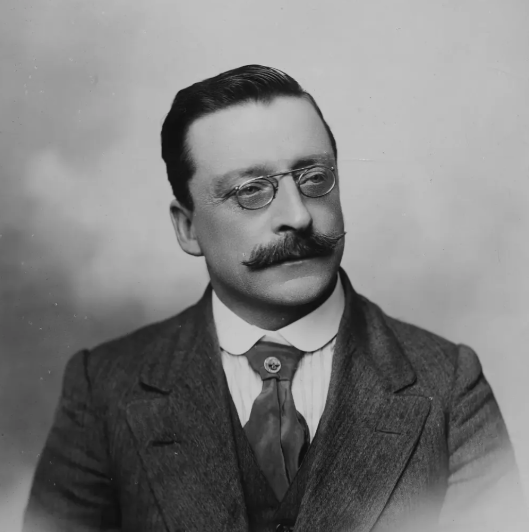
Arthur Griffith
A skilled write, public speaker, and politician Griffith had a significant impact on the nationalist movement. In 1905, Griffith formed the Sinn Fein party; a Parnellite, yet also disillusioned from Home Rule, he believed in a self-governing Irish Republic—but believed an insurrection would fail to achieve independence.
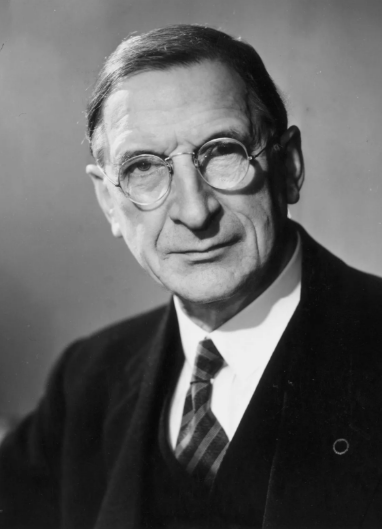
Eamon de Valera
De Valera was a leader in the 1916 Easter Rising, a Sinn Fein party member, and politician. He also contributed to the revitalization of Irish culture, language, and art. A staunch nationalist, de Valera envisioned a united Irish Republic, and was opposed to the partition of Ireland.
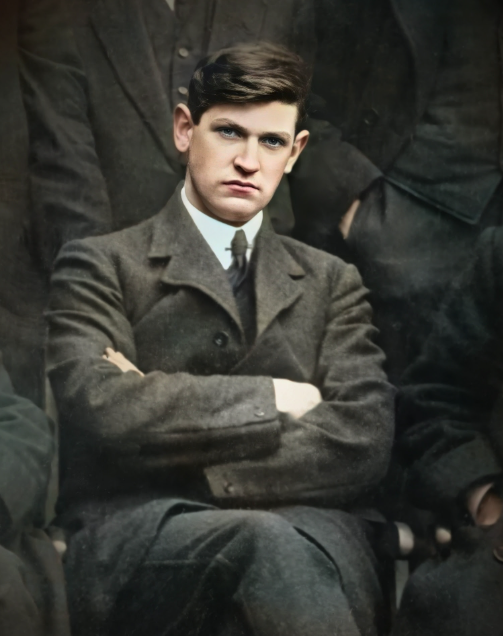
Michael Collins
Collins is recognized as the mastermind behind the Irish Republican Army’s (IRA) guerrilla tactics and their skilled intelligence reconnaissance. Collins was also one of the architects of the 1921 Anglo-Irish Treaty.
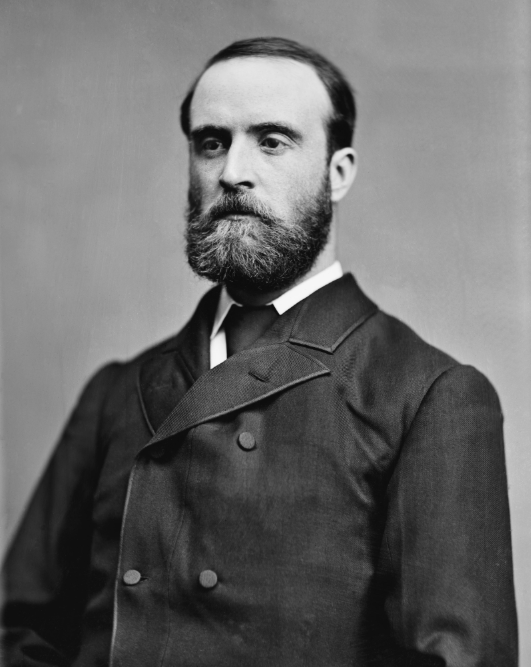
Charles Stewart Parnell
Parnell transformed the Irish nationalist movement. Through his charisma, skilled public speaking, and Anglo-Irish background, Parnell was able to make allies out of various political figures. Moreover, Parnell’s pragmatic approach to politics and unwavering dedication for advocating on the behalf of the Irish farmer, earned him the respect and trust of the Irish people.
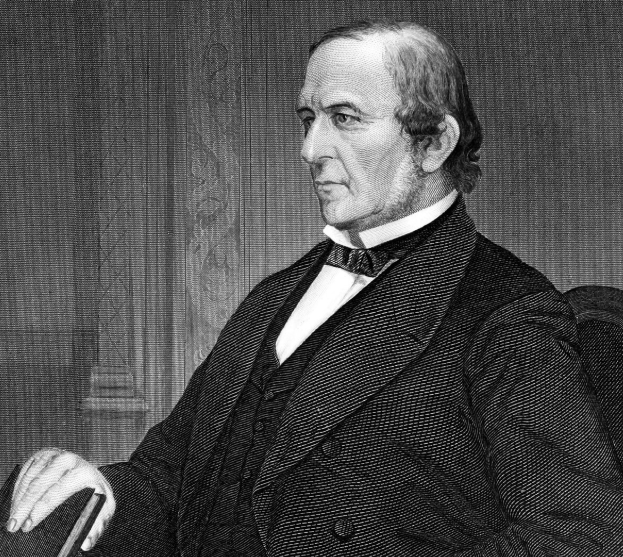
William Ewart Gladstone
Gladstone is heralded by scholars as one of the few British politicians to have sympathy for the Irish. Though his Home Rule Bills were never passed by parliament, his dedication to fostering a positive relationship with Irish political leaders was extraordinary—and for his efforts he had the respect of the Irish nation.